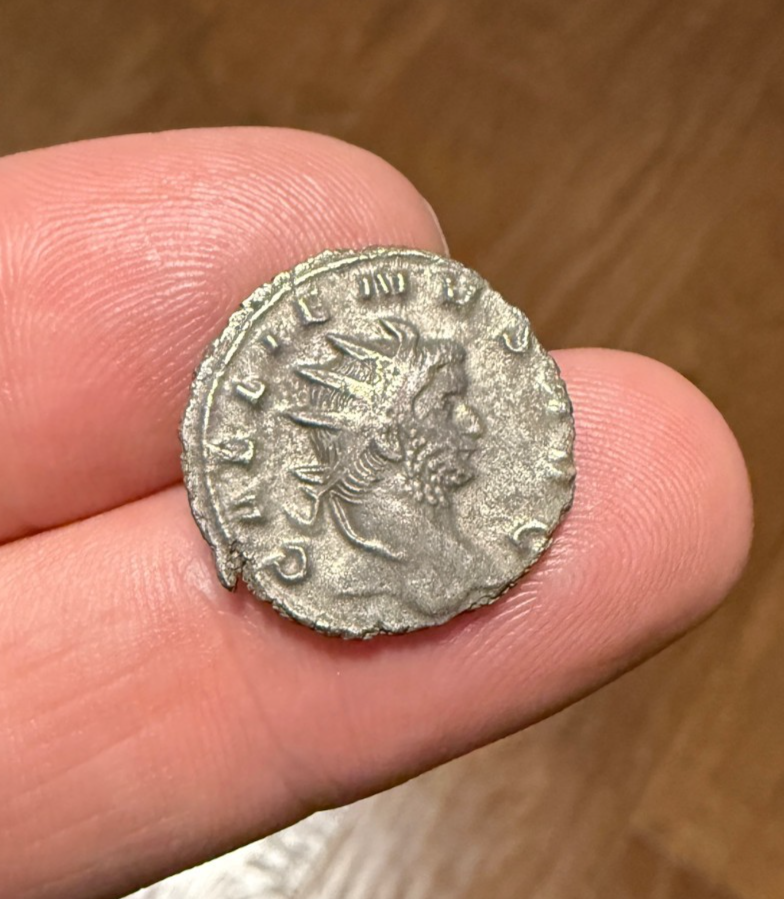
Medieval Armenian Bronze Kardez - Cilician Armenia 1289-1305 AD - Hetoum II
- Obverse: Hetoum seated facing with legs crossed, holding cruciform sceptre and orb.
- Reverse: Cross pattée.
- Date: 1289-1305 AD
- Size: 20 mm, 3.96 g
- Composition: Bronze
- Reference: AC 400
- Internal SKU: 137X1269
HISTORICAL NOTE: The bronze Kardez issued during the reign of Hetoum II (1289-1307 AD) in Cilician Armenia provides a glimpse into the intricate political and cultural dynamics of the medieval Armenian kingdom. Struck in Sis, the capital of Cilician Armenia, this coin reflects the kingdom's role as a vital Christian stronghold and trading hub in the Eastern Mediterranean during the late Crusader period. The obverse often features a cross or a symbol of Christian faith, while the reverse may depict a lion or another emblem associated with Armenian royal authority, underscoring the kingdom's commitment to both its Christian identity and its sovereignty. Hetoum II's reign was marked by internal struggles, including abdications and returns to power, as well as external threats from the Mongols and Mamluks. The Kardez, as a smaller bronze denomination, circulated widely among the local population, serving as a tool of economic exchange and royal propaganda. These coins represent the resilience of the Armenian state amid the challenges of maintaining autonomy in a geopolitically volatile region.