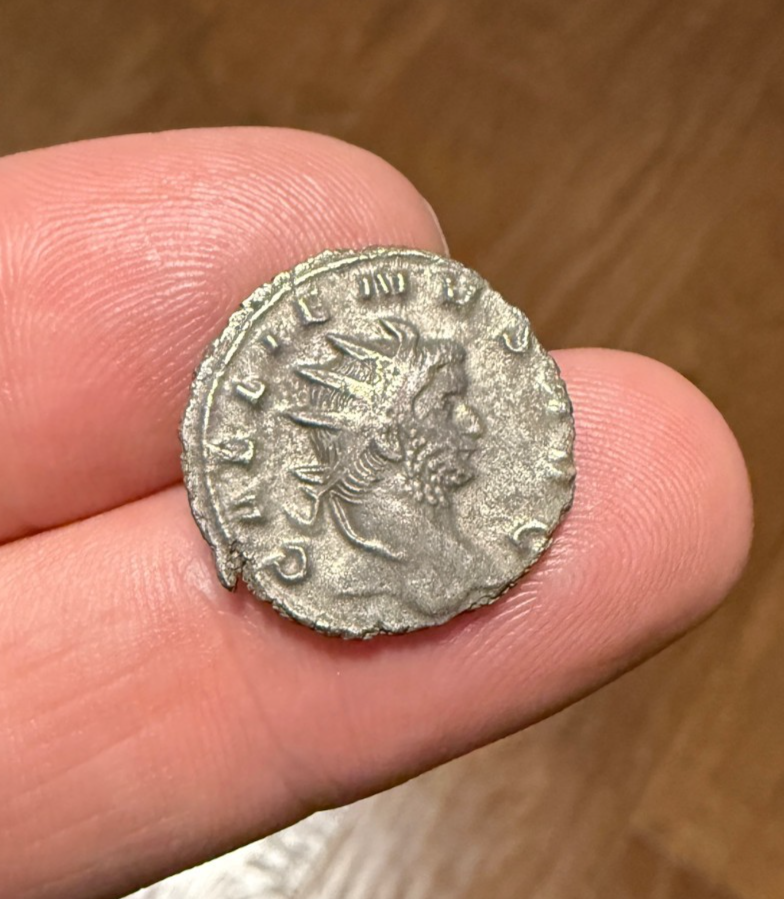
Roman Bronze As - Rome 41-54 AD - Claudius - Minerva
- Obverse: Bare head of Claudius facing left.
- Reverse: Minerva advancing to the right, brandishing a spear and holding a round shield.
- Date: 41-54 AD
- Size: 26.7 mm, 10 g
- Composition: Bronze
- Reference: RIC I 116
- Internal SKU: 135X533
HISTORICAL NOTE: The Roman bronze as issued during the reign of Emperor Claudius (41-54 AD) serves as a notable example of imperial propaganda and the cultural significance of iconography in Roman coinage. This particular coin features a portrait of Claudius, highlighting his divine authority and connection to the gods, paired with the reverse depiction of Minerva, the goddess of wisdom and warfare, symbolizing strength and strategic prowess. The use of Minerva on the reverse reflects the emperor's desire to align himself with qualities of wisdom and military success during a time marked by consolidation and expansion of the Roman Empire. Struck in copper alloy, the bronze as reflects not only the economic conditions of the time but also the artistic styles prevalent in early Imperial Rome, showcasing detailed craftsmanship and a focus on solidifying the emperor's legacy through numismatic art and its inherent messaging to the citizenry. Such coins were widely circulated and would have played a crucial role in daily transactions, thereby reinforcing Claudius's image and the state's propaganda in the far reaches of the empire.