Taschenbuch von Francois Blanciak
- Autor: Francois Blanciak
- EAN: 9780262026307
- Einband: Kartoniert / Broschiert
- Inhalt: Einband - flex.(Paperback)
- Sprache: Englisch
- Maße: 203 x 142 x 10 mm
- Erschienen: 01.03.2008
- Schlagworte: Architektur / Architecture / Design / Drafting / Drawing & Presentation / Buildings / Public / Commercial & Industrial / Reference
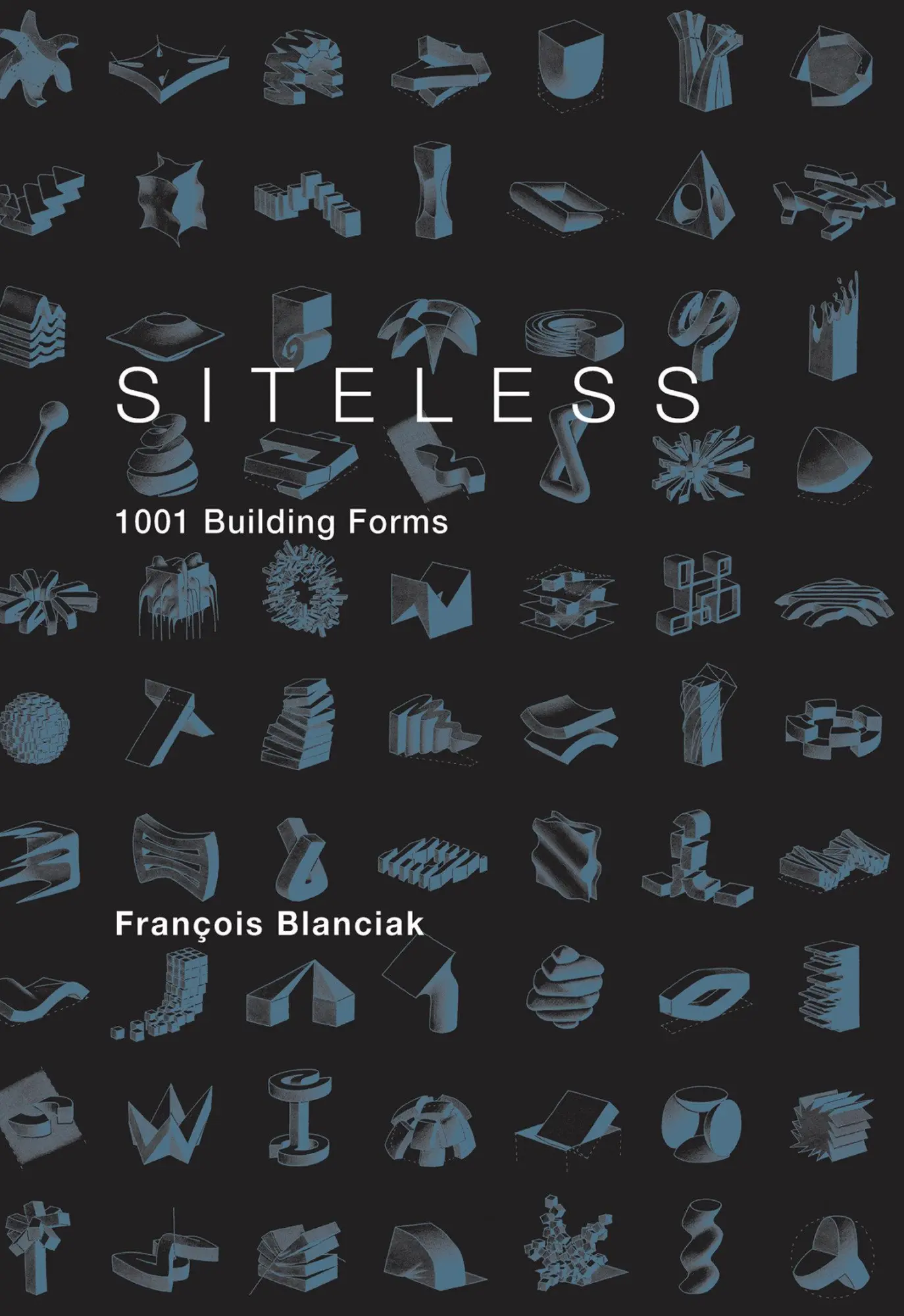
Some may call it the first manifesto of the twenty-first century, for it lays down a new way to think about architecture. Others may think of it as the last architectural treatise, for it provides a discursive container for ideas that would otherwise be lost. Whatever genre it belongs to, SITELESS is a new kind of architecture book that seems to have come out of nowhere. Its author, a young French architect practicing in Tokyo, admits he "didn't do this out of reverence toward architecture, but rather out of a profound boredom with the discipline, as a sort of compulsive reaction.” What would happen if architects liberated their minds from the constraints of site, program, and budget? he asks. The result is a book that is saturated with forms, and as free of words as any architecture book the MIT Press has ever published.
The 1001 building forms in SITELESS inclu*e structural parasites, chain link towers, ball bearing floors, corrugated corners, exponential balconies, radial facades, crawling frames, forensic housing—and other architectural ideas that may require construction techniques not yet developed and a relation to gravity not yet achieved. SITELESS presents an open-ended compendium of visual ideas for the architectural imagination to draw from. The forms, drawn freehand (to avoid software-specific shapes) but from a constant viewing angle, are presented twelve to a page, with no scale, order, or end to the series. After setting down 1001 forms in siteless conditions and embryonic stages, Blanciak takes one of the forms and performs a "scale test,” showing what happens when one of these fantastic ideas is subjected to the actual constraints of a site in central Tokyo. The book ends by illustrating the potential of these shapes to morph into actual building proportions.

- Schnelle & professionelle Abwicklung
- Kompetenter & unkomplizierter Service
- Rechnung bequem per Email
-
Versand per Deutsche Post oder DHL