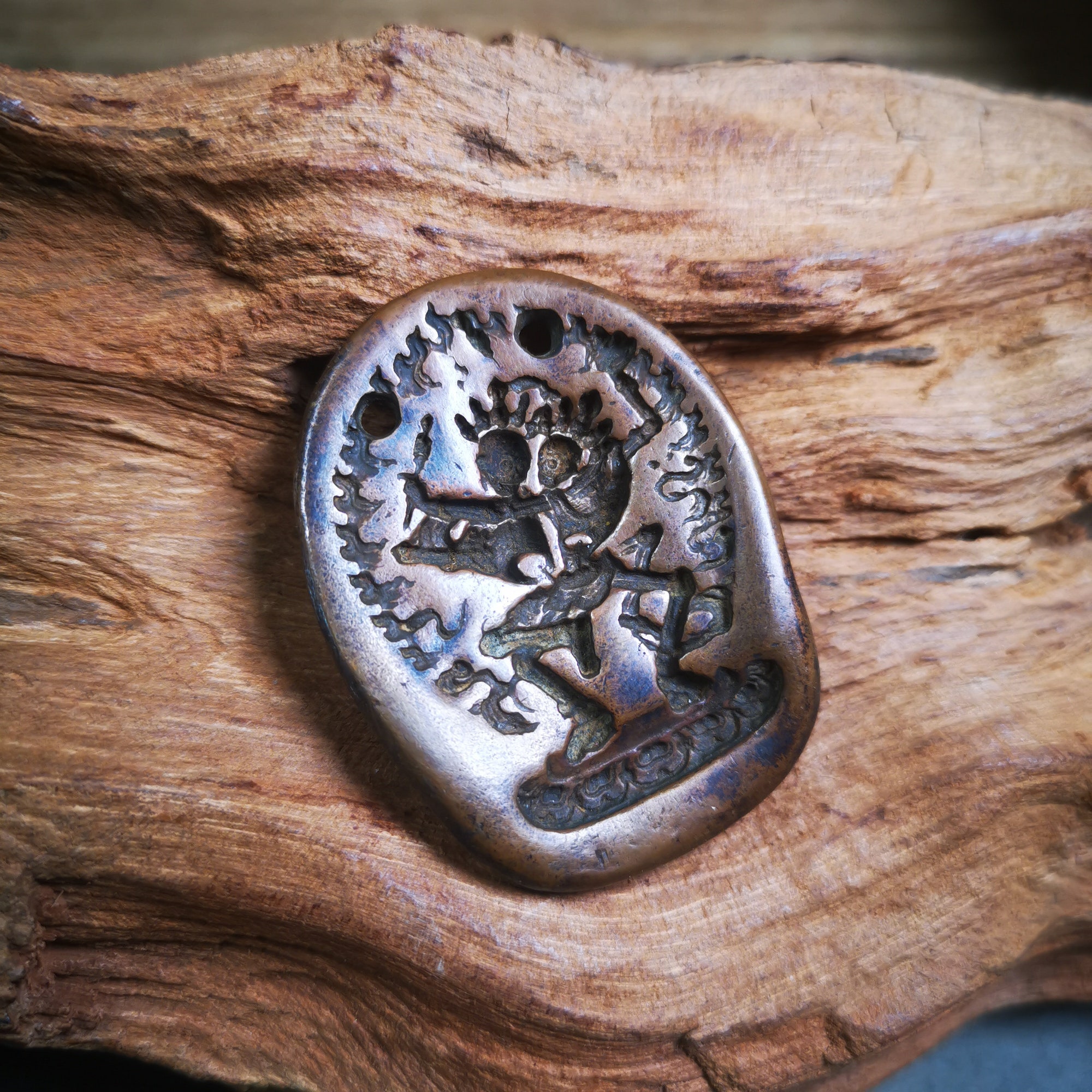
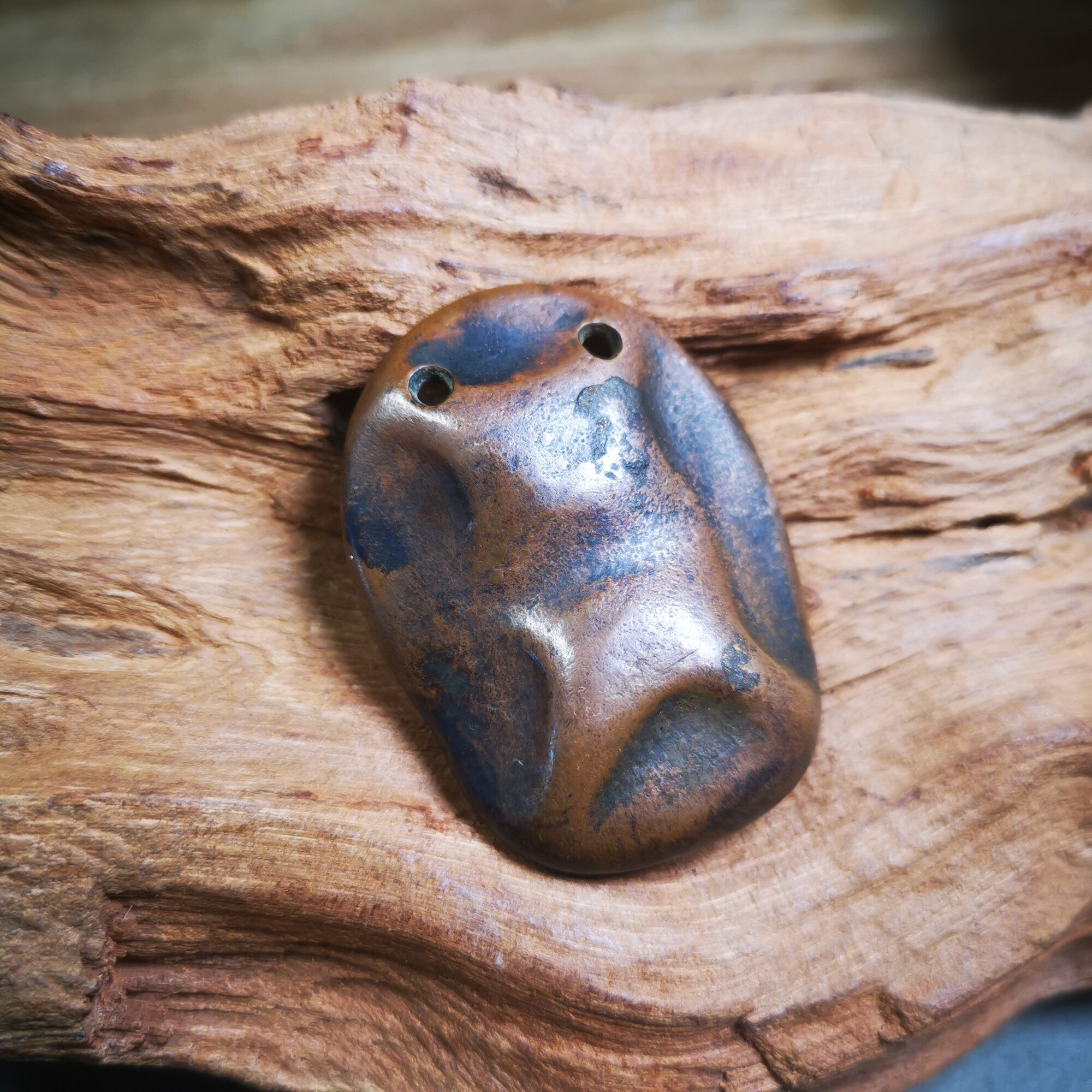
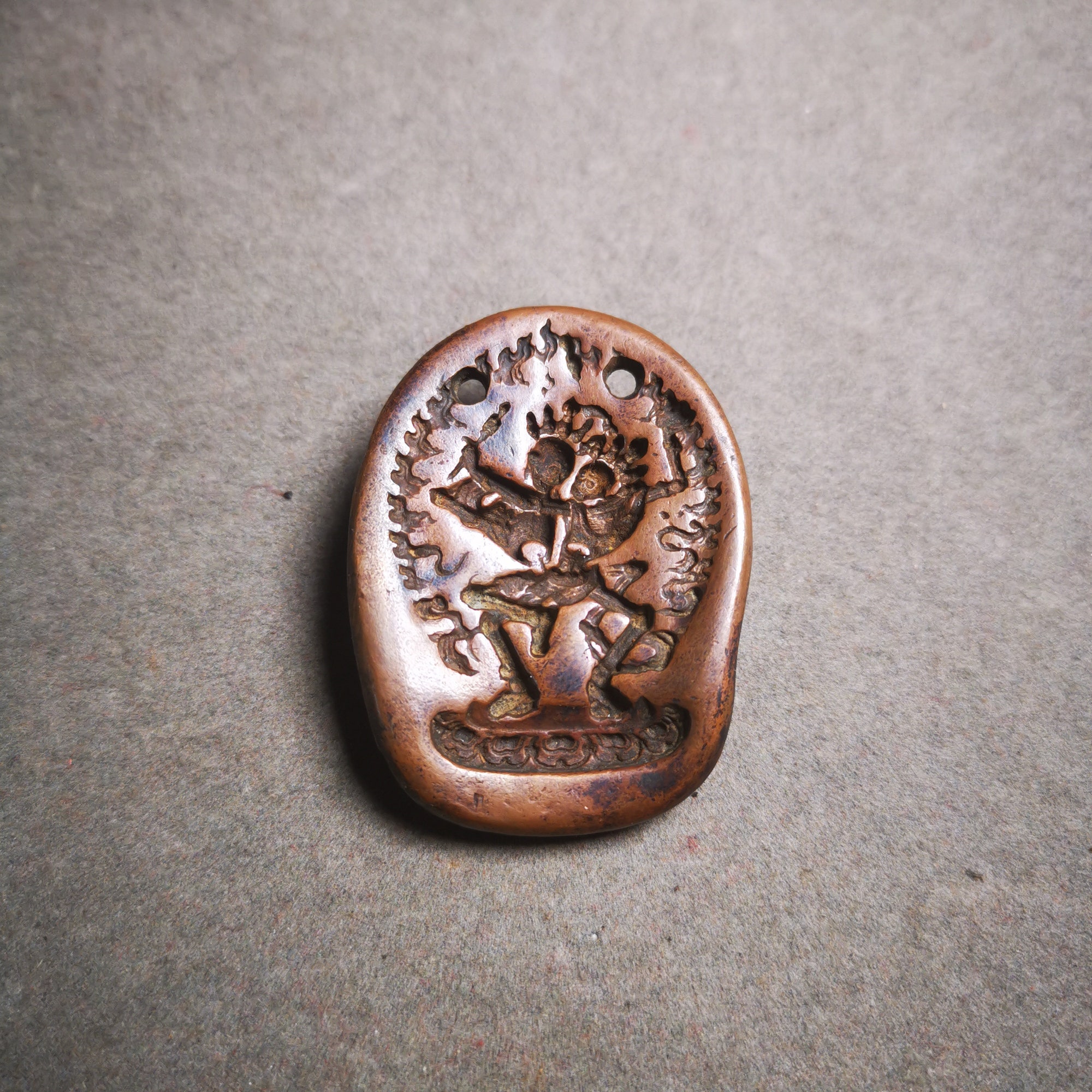
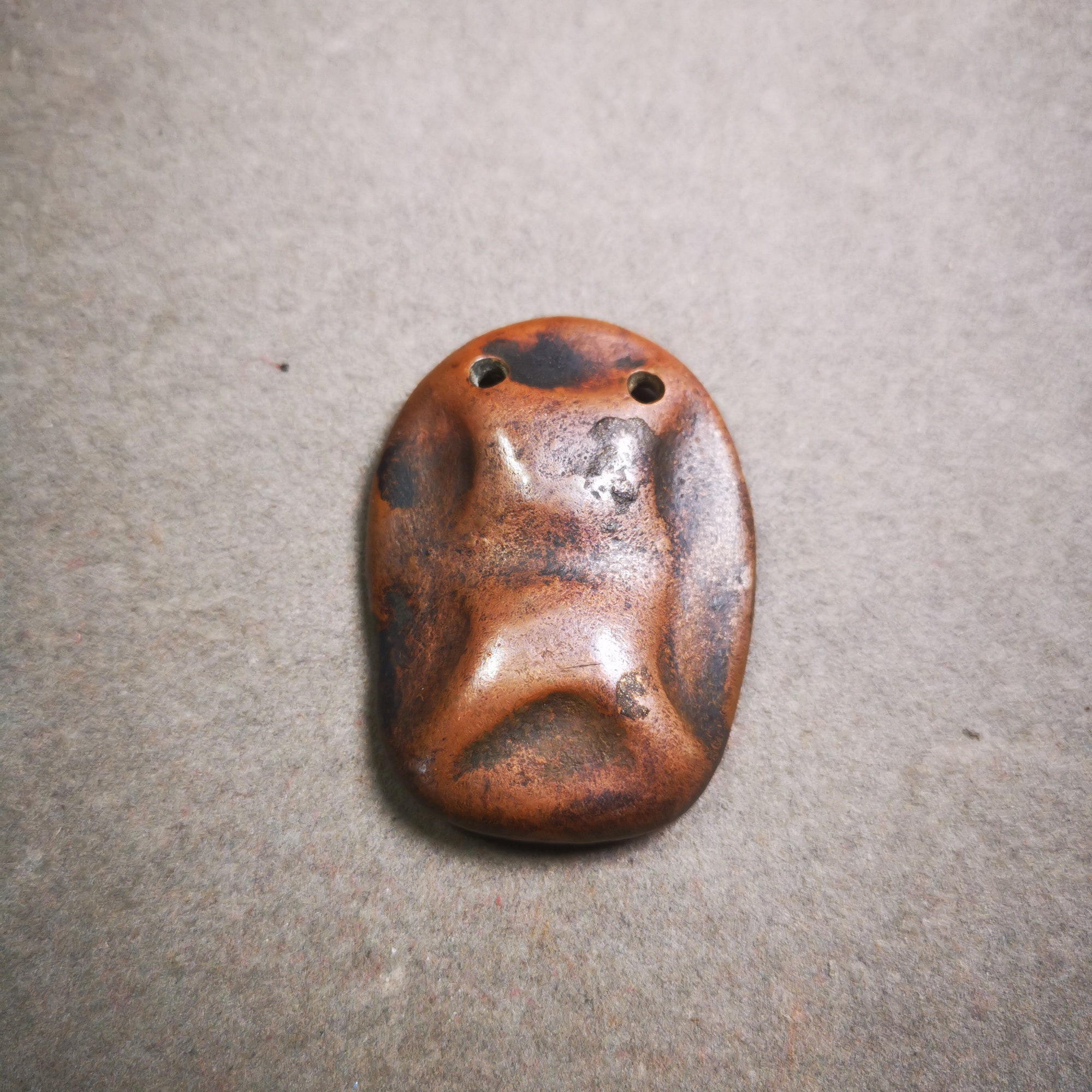
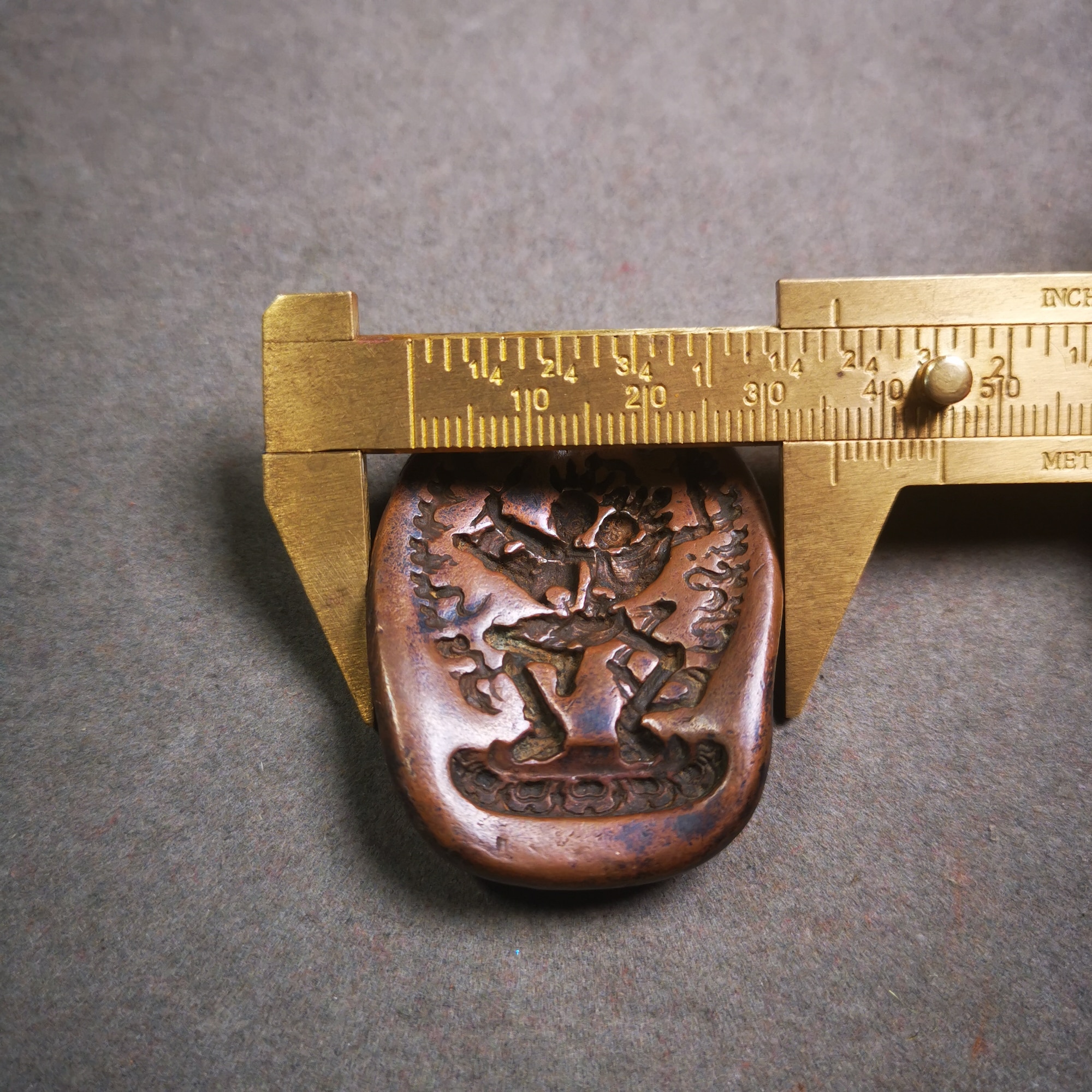
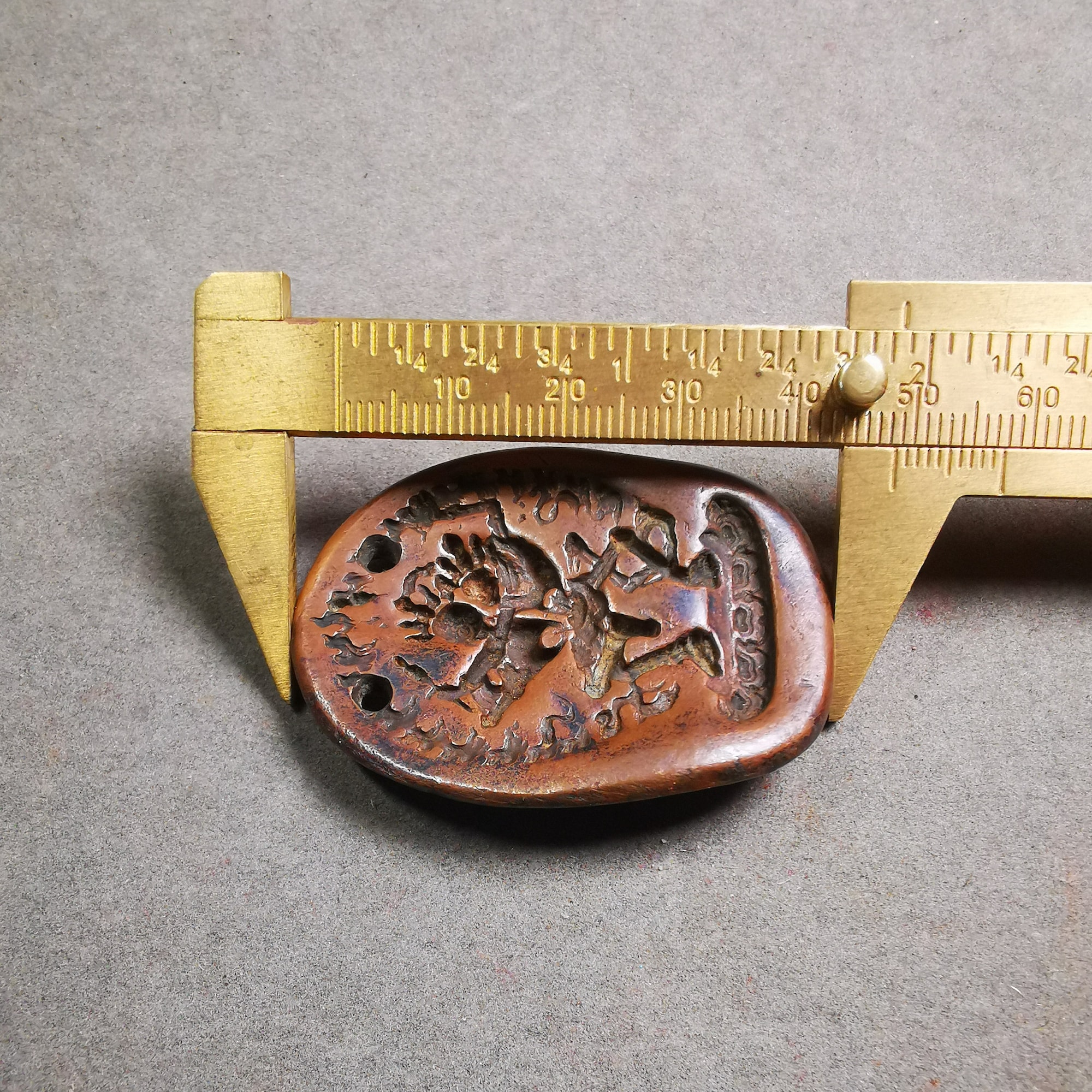
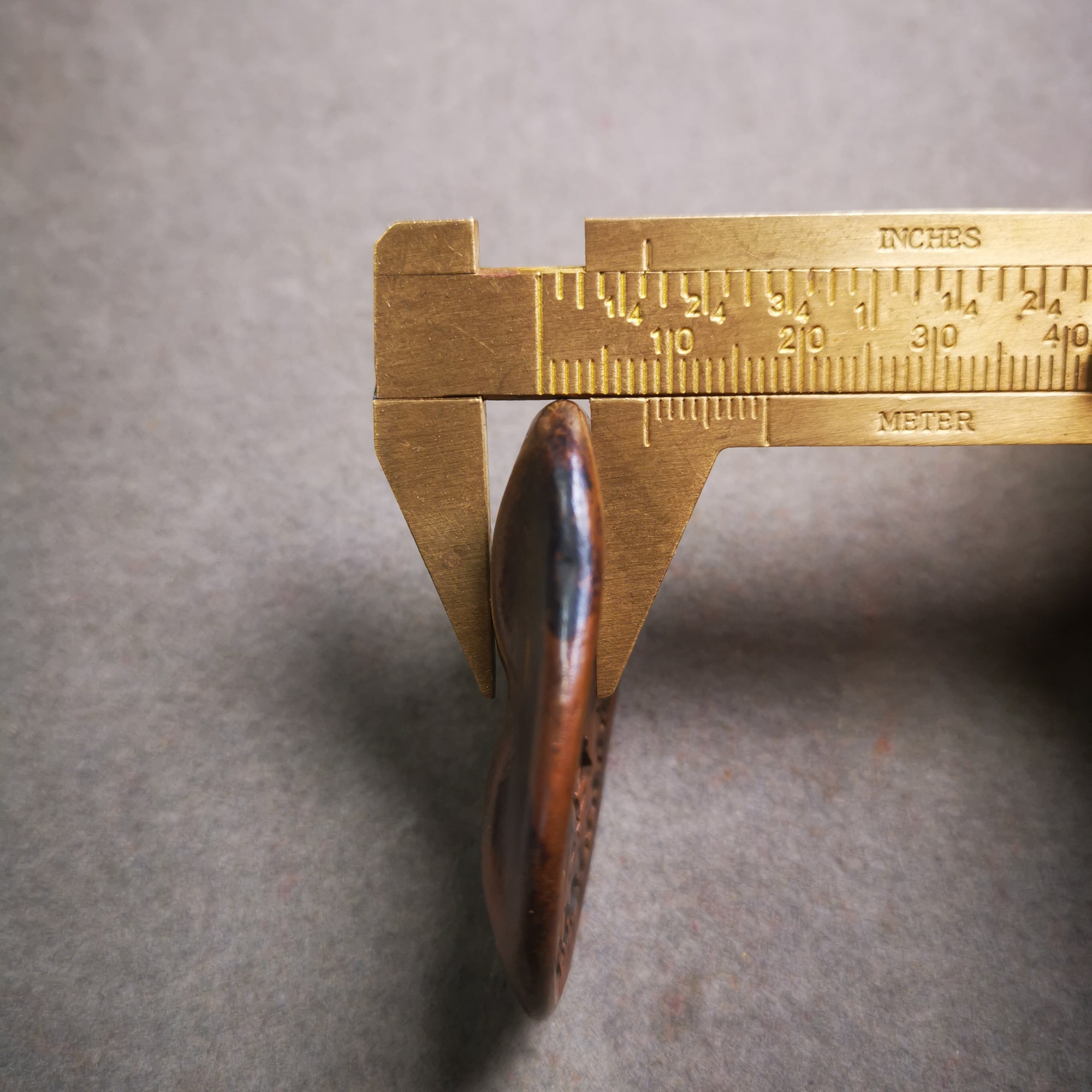
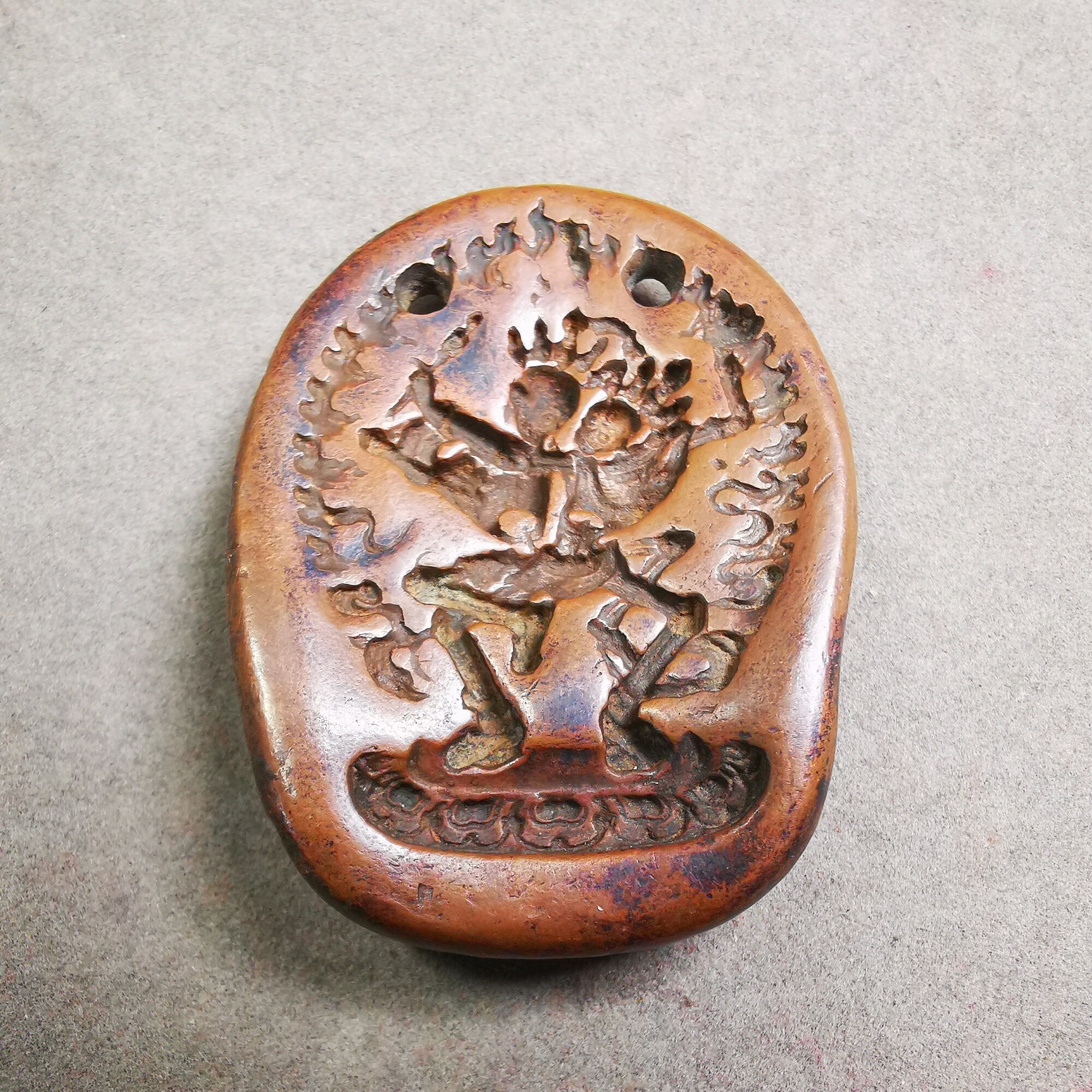
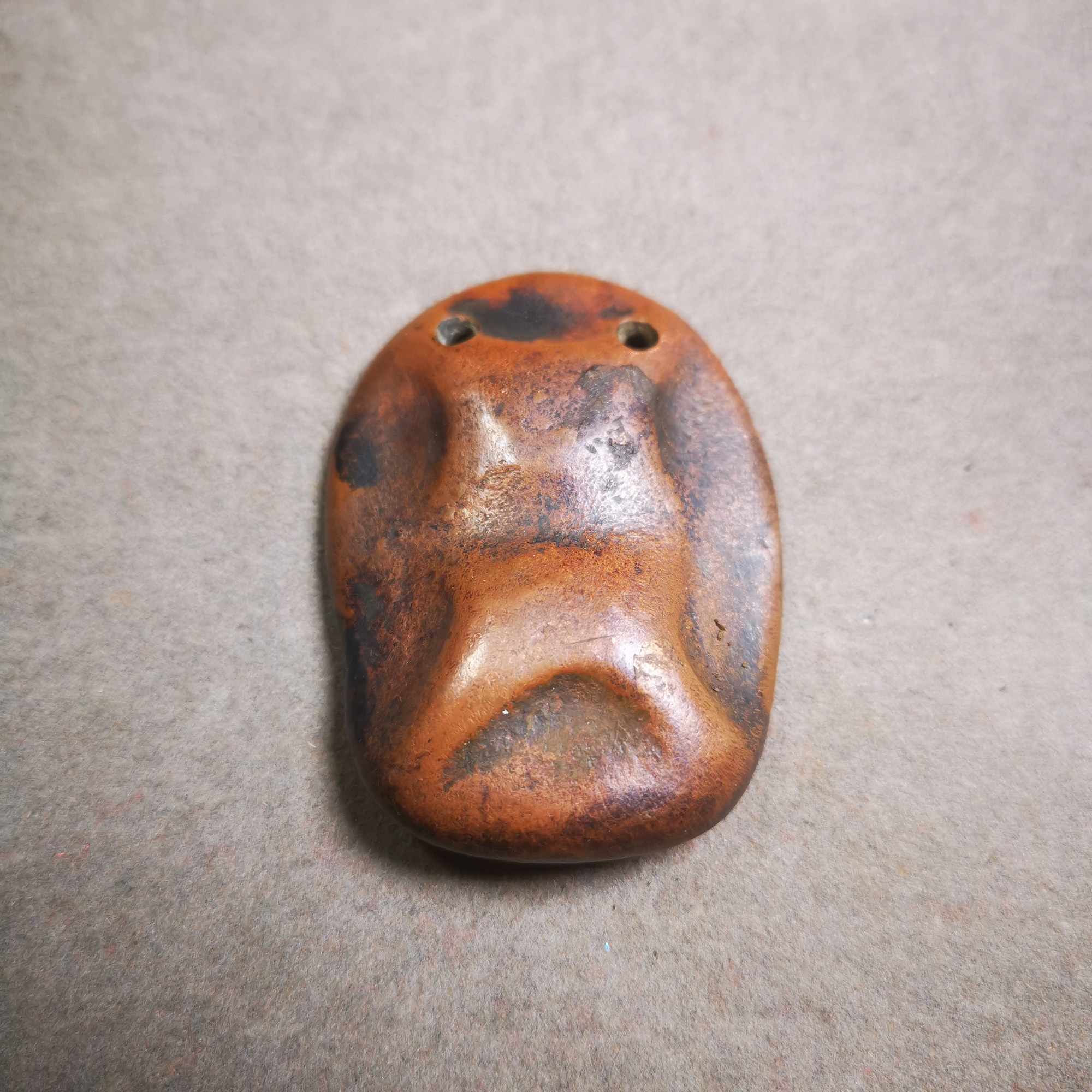
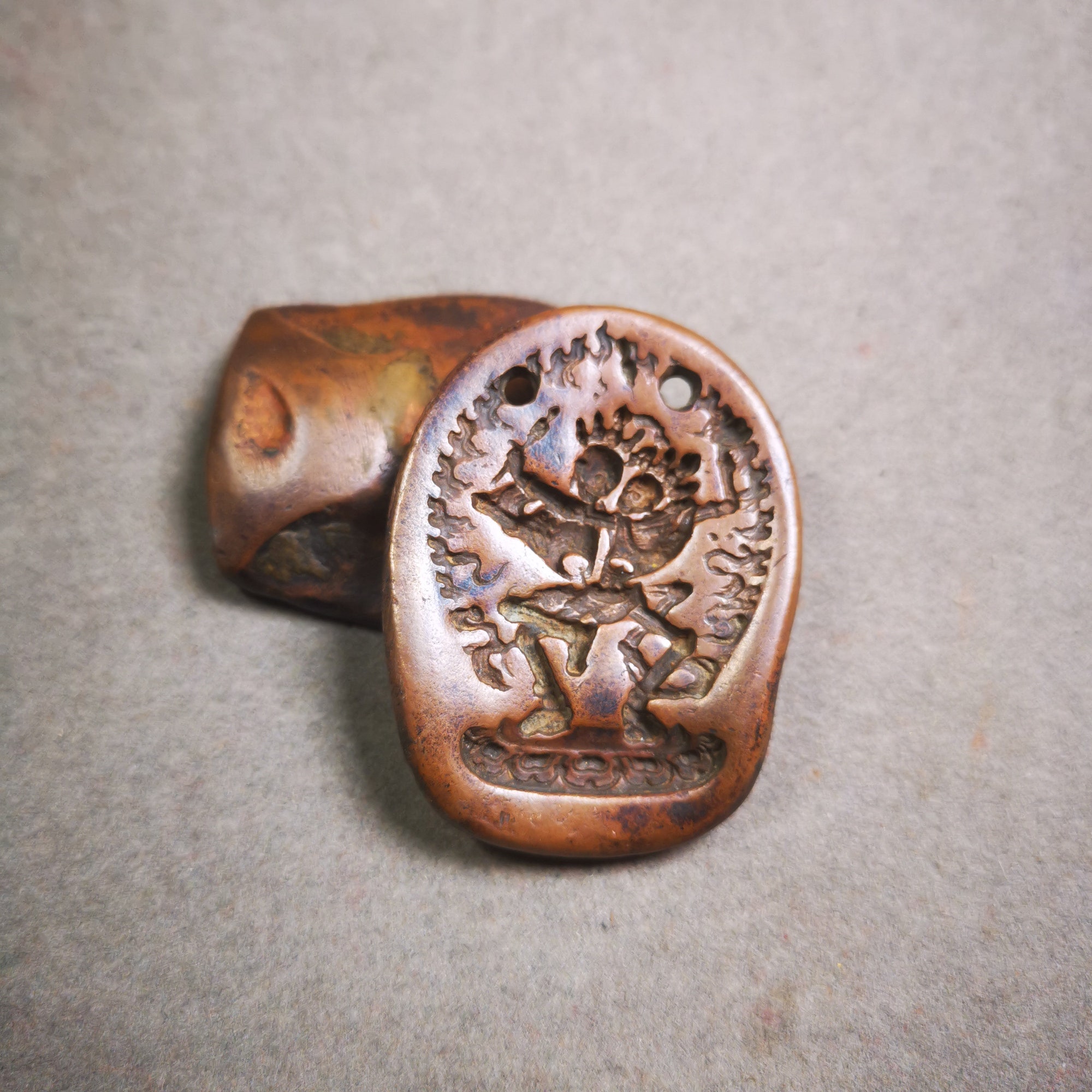
Gandhanra Old Tibetan Buddha Statue Tsa Tsa Mold, Citipati, Shmashana Adhipati
1. We accept payment via 
2. Payment must be completed within 7 days.
3. Please leave messages for your special requests (e.g Color or Size.) in the message when you place the order.
2. Payment must be completed within 7 days.
3. Please leave messages for your special requests (e.g Color or Size.) in the message when you place the order.
1. All items will be shipped to worldwide.
2. All items will only be shipped to the ebay address, so please make sure to provide us with the correct, precise, detailed shipping address at ebay.
3. Customs duty is obligation and liability of a citizen in your country, so the buyer should be responsible for any tax and custom duty incurred.
2. All items will only be shipped to the ebay address, so please make sure to provide us with the correct, precise, detailed shipping address at ebay.
3. Customs duty is obligation and liability of a citizen in your country, so the buyer should be responsible for any tax and custom duty incurred.
1. All the items will be tested before shipping. Buy them with the confidence!
2. If the item is defected when you receive it or you are not satisfied with it, you can email us for a replacement or refund, but you have to return the item to us within 7 days.Please contract us and double check the return address before you return it.
3. Full refund when receiving the original item. Notice: Return shipping fee is paid by the buyer.
4. We maintain the excellent service standards and strive for 100% customer satisfaction!
5.Positive feedback is very important to us,so if you have any problem, please do feel free to contact us before leaving us any Neutral or Negative feedback, so that we can satisfactorily address your concerns.
2. If the item is defected when you receive it or you are not satisfied with it, you can email us for a replacement or refund, but you have to return the item to us within 7 days.Please contract us and double check the return address before you return it.
3. Full refund when receiving the original item. Notice: Return shipping fee is paid by the buyer.
4. We maintain the excellent service standards and strive for 100% customer satisfaction!
5.Positive feedback is very important to us,so if you have any problem, please do feel free to contact us before leaving us any Neutral or Negative feedback, so that we can satisfactorily address your concerns.
1. We strive to provide you with the best service, and we will reply your question within 24 hours.
2. Our greatest goal is to meet the maximum demands of the customers.
3. Business time: 9:30~21:30 (GMT+8)
2. Our greatest goal is to meet the maximum demands of the customers.
3. Business time: 9:30~21:30 (GMT+8)